
A Guide to BJJ Recovery, Longevity, Sleep, Sauna, Cold Plunges, and Staying Healthy on the Mats at Every Age
In Brazilian Jiu-Jitsu, most athletes spend countless hours thinking about technique, conditioning, and improving performance on the mats. But one of the biggest factors in long-term success is often ignored: recovery.
Recovery in Jiu-Jitsu is more than simply resting after class. Proper recovery helps your body repair muscle tissue, reduce inflammation, improve mobility, and maintain the energy needed to train consistently. Without it, even highly motivated practitioners eventually run into problems like chronic soreness, burnout, fatigue, and injuries.
The reality is that recovery changes as you age. A younger athlete may recover quickly from hard rounds, while an older practitioner often needs a more intentional approach to stay healthy and continue progressing. Understanding how recovery evolves over time is one of the keys to longevity in Brazilian Jiu-Jitsu.
Just as consistency in training builds skill, consistency in recovery keeps your body capable of continuing that training. The athletes who last the longest in Jiu-Jitsu are usually not the ones who train the hardest for short periods of time — they are the ones who can train consistently year after year because they recover consistently as well.
Recovery in Your 20s: Building a Strong Foundation
For many athletes, training in your 20s feels limitless. You can train multiple days in a row, push through soreness, and still feel ready to roll again the next morning. While recovery is naturally easier during this stage, it’s also when many bad habits are formed.
Younger grapplers often rely on toughness instead of recovery. They skip sleep, ignore mobility work, eat poorly, and continue training through injuries because the body still manages to keep going. Over time, though, those habits begin catching up.
Your 20s are the best time to create recovery routines that will support your body long-term.
Focus on These Recovery Habits in Your 20s
- Prioritize consistent sleep
- Stay hydrated throughout the day
- Add mobility work several times per week
- Avoid training through serious injuries
- Focus on technique instead of relying purely on athleticism
One of the biggest misconceptions in Jiu-Jitsu is that more training always equals more progress. In reality, training hard without recovering properly eventually leads to setbacks. Consistent recovery allows you to train consistently — and consistency is what truly builds skill over time.
Recovery in Your 30s: Training Smarter, Not Just Harder
For many Brazilian Jiu-Jitsu practitioners, the 30s are where recovery starts becoming noticeably important. You may still feel athletic and capable of hard training, but recovery is no longer automatic.
Work stress, family responsibilities, and years of accumulated wear begin affecting performance. Tight hips, lingering soreness, lower back stiffness, and fatigue become much more common. Many practitioners notice they can still perform at a high level, but the body simply takes longer to bounce back afterward.
This is usually where athletes begin learning the importance of intelligent training.
Instead of going hard every session, many experienced grapplers start balancing intense training days with lighter technical sessions and recovery-focused routines.
Important Recovery Priorities in Your 30s
- Improve sleep quality
- Incorporate strength training for joint support
- Stretch consistently after training
- Take scheduled recovery days
- Manage stress outside the gym
One of the biggest mistakes athletes make in their 30s is believing recovery only happens inside the academy. Stress from work, poor sleep, and daily life all directly affect your performance on the mats.
The goal is not simply to survive hard sessions. The goal is to remain healthy enough to continue training week after week without constantly fighting injuries or exhaustion.
Recovery in Your 40s and Beyond: Prioritizing Longevity
Some of the most technical and efficient practitioners in Brazilian Jiu-Jitsu are over 40 years old. The difference is that experienced athletes understand recovery is no longer optional — it becomes essential.
As the body ages, inflammation tends to last longer, mobility decreases, and injuries can take more time to heal. The goal shifts away from surviving hard rounds every day and toward staying healthy enough to train consistently for years.
That doesn’t mean training becomes easier. It simply becomes smarter.
Many older practitioners focus heavily on technical efficiency, mobility work, and structured recovery routines to keep their bodies functioning well.
Recovery Tips for Jiu-Jitsu Athletes Over 40
- Spend more time warming up before class
- Add regular mobility and stretching sessions
- Avoid unnecessary training volume
- Prioritize recovery between hard sessions
- Listen to pain before it becomes injury
Longevity in Brazilian Jiu-Jitsu comes from balance. Training consistently matters, but recovery consistently matters just as much. The practitioners who stay on the mats the longest are usually the ones who learn to respect both equally.
Cold Plunges for Jiu-Jitsu Recovery
Cold plunges and ice baths have become extremely popular among combat sports athletes, including Brazilian Jiu-Jitsu practitioners. After intense training sessions, cold exposure may help reduce soreness, calm inflammation, and support nervous system recovery.
Many grapplers also use cold plunges for the mental challenge. Learning to stay calm and controlled during uncomfortable situations can carry over into training and competition.
For Jiu-Jitsu athletes, cold exposure may be especially useful after:
- Hard sparring sessions
- Tournament training camps
- Strength and conditioning workouts
- Multiple consecutive training days
The good news is that recovery benefits do not require extreme temperatures or long sessions. Even a short cold shower or brief cold plunge can help you feel refreshed and recovered when used consistently.
Cold plunges are not magic solutions, but they can support recovery when combined with proper sleep, hydration, nutrition, and intelligent training habits.
Sauna Benefits for Brazilian Jiu-Jitsu Athletes
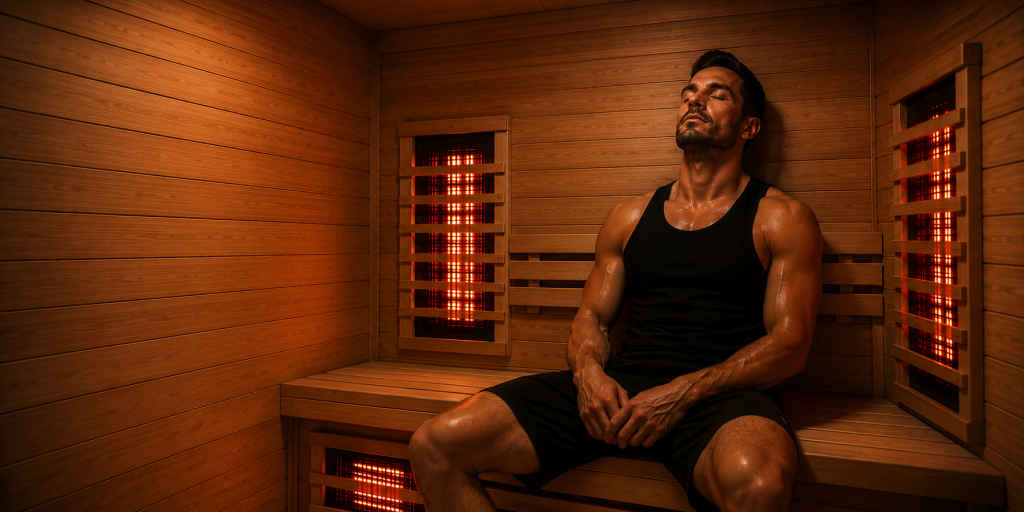
Sauna sessions have also become a major part of many recovery routines in Brazilian Jiu-Jitsu. Unlike cold plunges, which are often used to reduce soreness and inflammation, saunas focus more on relaxation, circulation, and overall recovery.
The heat from a sauna may help loosen tight muscles, improve blood flow, and reduce physical tension built up during training. Many practitioners also report better sleep quality and reduced stress after regular sauna use.
For grapplers dealing with stiff hips, sore backs, and constant muscular tension, sauna sessions can be a great addition to a recovery routine.
Potential Benefits of Sauna for Jiu-Jitsu
- Improved circulation
- Reduced muscle tightness
- Better relaxation and stress management
- Enhanced recovery sensation
- Improved sleep quality
Some athletes combine sauna sessions with cold plunges by alternating between heat and cold exposure. This approach, often called contrast therapy, has become increasingly common in combat sports recovery programs.
Still, it’s important to remember that recovery tools work best when the fundamentals are already in place.
Sleep Is Still the Most Important Recovery Tool
No recovery method matters more than sleep.
During deep sleep, the body repairs tissue, restores energy levels, regulates hormones, and processes skill development. Since Brazilian Jiu-Jitsu is such a technical sport, recovery isn’t only physical — it’s neurological as well.
Poor sleep can affect:
- Reaction time
- Cardiovascular endurance
- Mental focus
- Mood
- Injury prevention
- Learning and memory
Many athletes look for complicated recovery solutions while ignoring the most important one. Consistent, high-quality sleep will improve your performance more than almost any recovery gadget or supplement.
Consistent training without consistent sleep eventually leads to diminishing returns. Recovery is not time away from progress — recovery is part of progress.
Recovery Is What Keeps You on the Mats
Most people do not quit Brazilian Jiu-Jitsu because they stop loving the sport. They quit because their bodies stop cooperating.
Recovery is what allows athletes to continue training consistently year after year.
Whether you are a younger competitor pushing your pace, a busy professional balancing training with life, or an older practitioner focused on longevity, smart recovery habits will directly improve your performance and your ability to stay healthy.
Train hard. Recover intentionally. Stay consistent.
Because in Jiu-Jitsu, consistency is everything — and recovery is what makes consistency possible.